


Table of Contents
Still Life Photography
Christian Coigny and Daniel Remer in Dialogue with Tradition
Still Life photography is among the most enduring and contemplative disciplines in the visual arts. Quiet, precise, and deeply symbolic, it traces its lineage back to painting traditions where objects served as vessels of meaning. At Petra Gut Contemporary, this genre is anything but static. It is an active, evolving conversation - primarily through the lens of artists like Christian Coigny and Daniel Remer, who represent two distinct but complementary approaches to Still Life. Coigny's refined elegance and Remer's conceptual clarity illustrate the breadth and versatility of this timeless form.
The Origins of Still Life Photography
The term "Still Life " comes from the Dutch "stilleven," popularised in the 17th century. Painters such as Pieter Claesz, Jan Davidsz. de Heem, and Willem Claesz Heda created meticulous compositions filled with fruit, goblets, books, and flowers - objects laden with symbolism about mortality, material wealth, and the fleeting nature of time. The genre's French and Italian names -nature morte and natura morta - emphasise this sense of impermanence: dead nature captured for reflection.
In the 19th century, when photography emerged as a new medium, Still Life was one of its earliest and most natural subjects. Figures like Roger Fenton and Adolphe Braun began translating the painterly aesthetics of composition and symbolism into the new language of light-sensitive plates. Their work paved the way for the modern still life photograph.
During the 20th century, the genre was further refined and reimagined. Artists such as Edward Weston, Josef Sudek, and Irving Penn elevated the Still Life to an artistic discipline of abstraction and reduction. Weston's peppers, Sudek's dusty bottles, Penn's textiles - became meditations on form, shadow, and materiality. From this legacy emerges the Still Life photography of today.
What Makes a Still Life?
Still Life photography is not merely a recording of objects. Instead, it is a study of composition, material, and the silent drama between form and meaning. Key characteristics include:
Intentional arrangement – Objects are chosen and placed with precision and symbolic resonance.
Mastery of light – Whether daylight or studio, lighting is central to how surfaces, shadows, and textures come alive.
Material sensitivity – The object is not the subject; its surface, tone, and silence are.
Emotional or symbolic charge – A good still life contains tension between permanence and decay, fullness and absence, reality and suggestion.
In the hands of photographers like Christian Coigny and Daniel Remer, these formal and emotional qualities are not merely preserved but reinterpreted for a contemporary audience.
Christian Coigny – Classical Elegance in Still Life
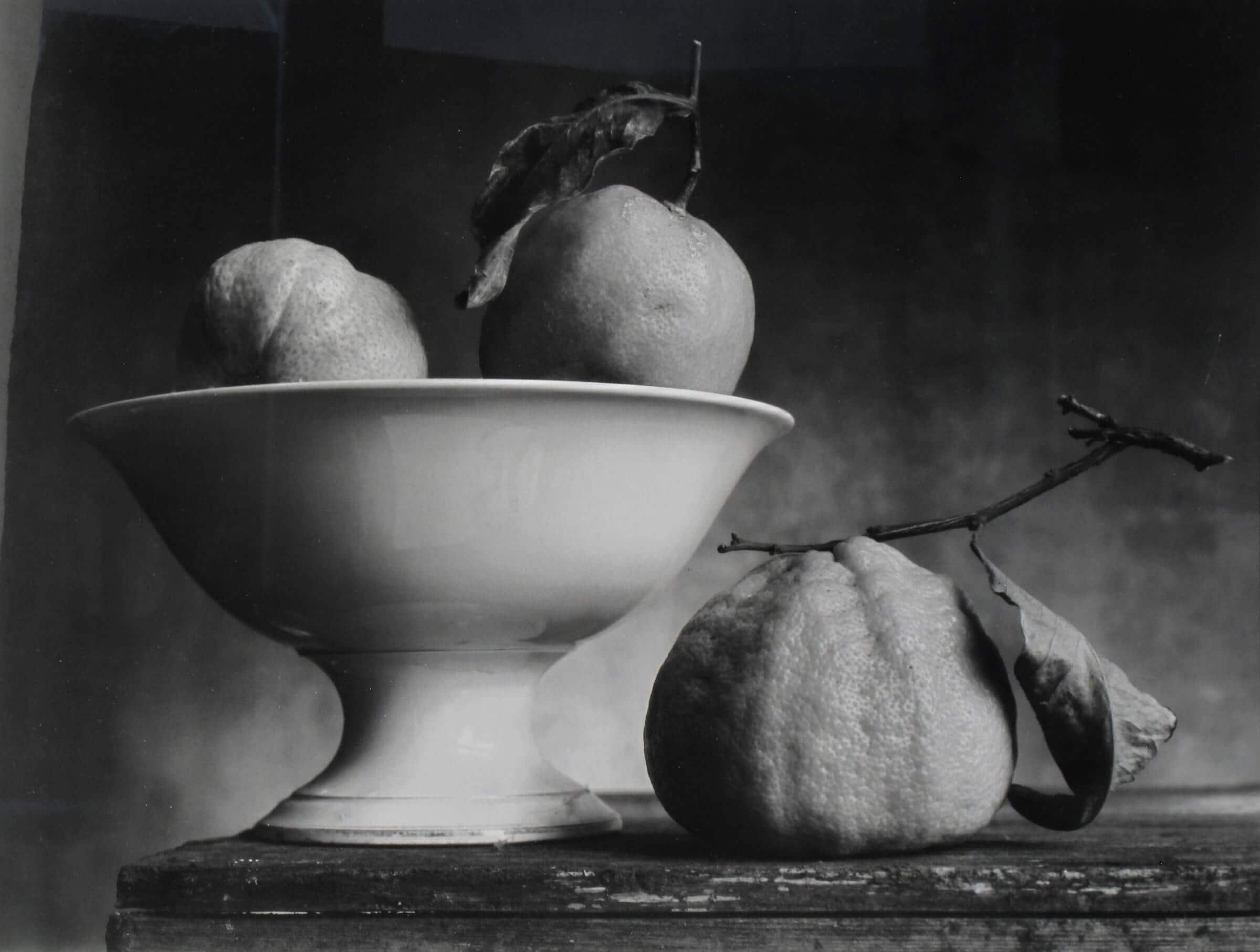
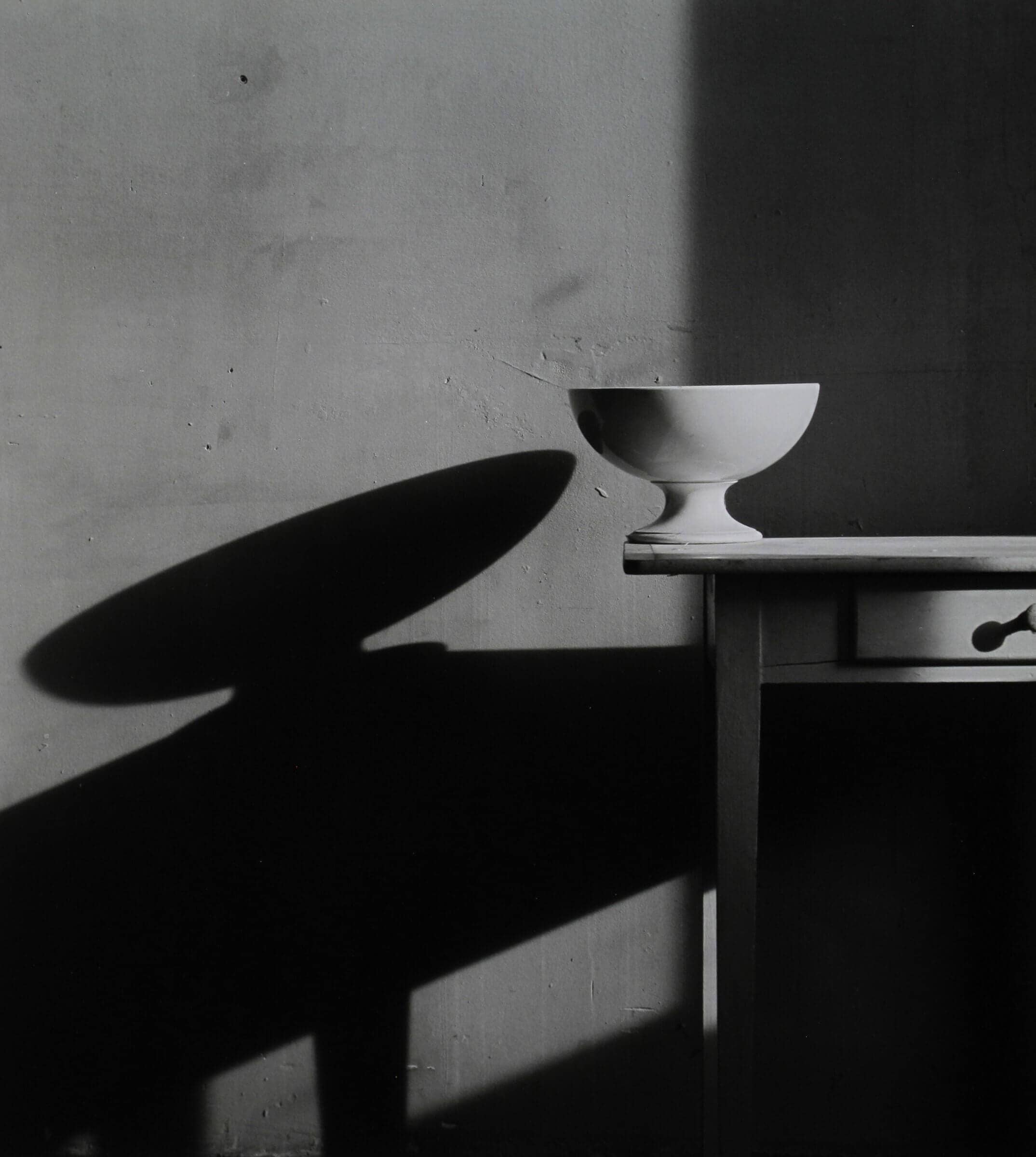
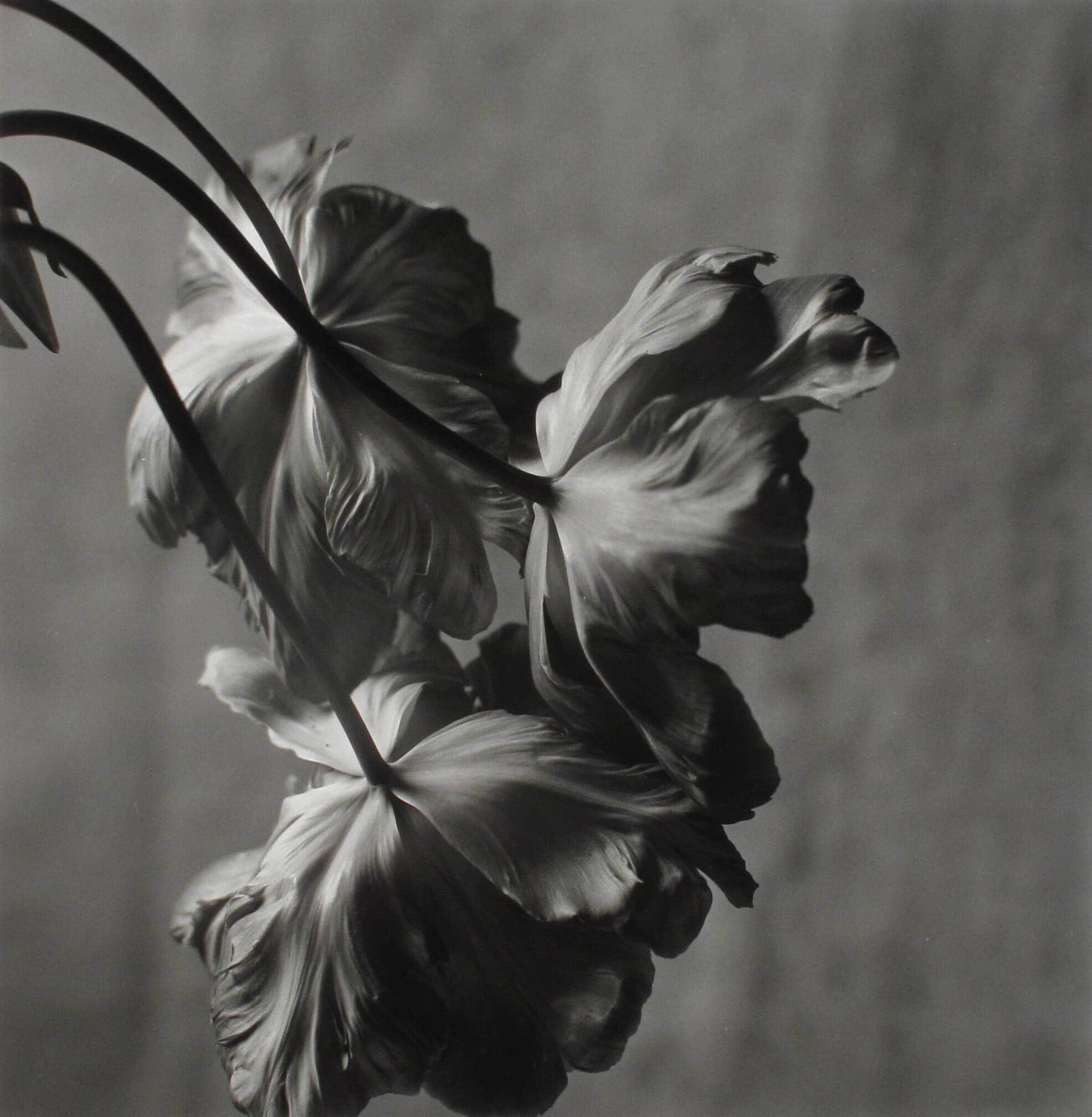
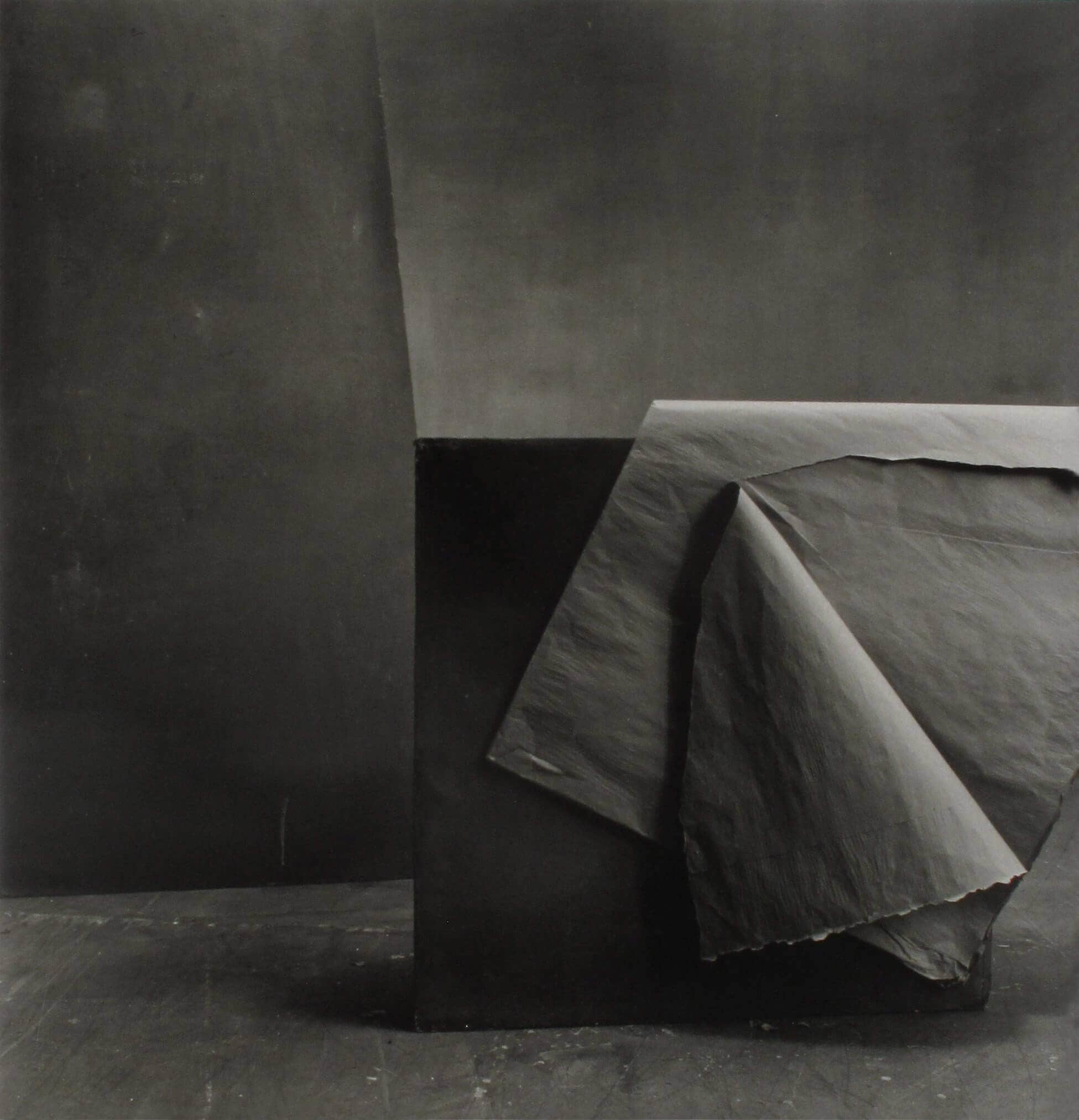
Born in Lausanne in 1946, Christian Coigny brings a sculptural and poetic approach to Still Life photography. After years spent working autodidactically in San Francisco and a prominent career in fashion and advertising — with major brands such as Hermès, Krug, Levi's, and Chopard — Coigny shifted his focus to fine art. His photographs are defined by order and calm: a folded linen, a glass, a chair bathed in gentle light. The compositions are spare but never empty.
Coigny is a master of restraint. Working exclusively with film and printing in the darkroom without digital intervention, he emphasises the tactile: the grain of paper, the contrast of light and dark, the slow discipline of analogue process. Shaped by the American painters he discovered in San Francisco — Edward Hopper, Georgia O'Keeffe, Andrew Wyeth — his work carries their stillness and their attention to ordinary light. His Still Lifes breathe quietly and hold their own space.
At Petra Gut Contemporary, Coigny's work is positioned not as nostalgic but as essential — offering structure and stillness in a world that is increasingly fast and fragmented. His photographs become meditative spaces.
Daniel Remer – Conceptual Minimalism in Still Life
In contrast to Coigny's classicism, Daniel Remer explores minimalism and reduction. Working in a blacked-out room with a small flashlight and exposures of around fifteen seconds, he paints illumination onto his subjects - layer by layer, movement by movement - building colour and depth that no natural light could produce. His touchstone is Giorgio de Chirico and the Metaphysical School: art that treats objects not as things but as carriers of hidden significance. Each element is chosen and positioned with precise symbolic intent. The compositions are reduced to what is essential, and what remains carries weight.
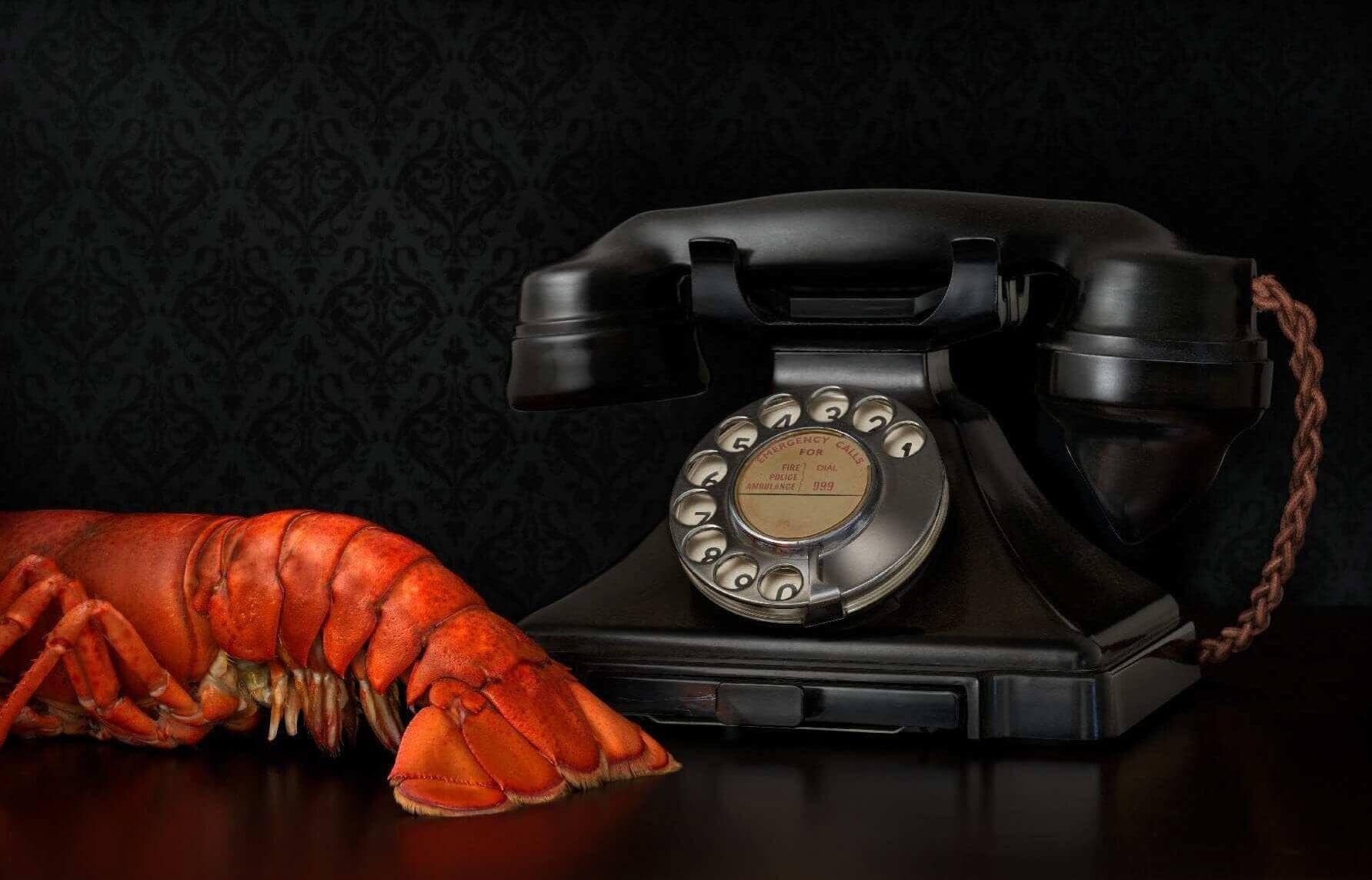
Together, they represent two poles of photographic still life — the analogue and the digital, the found and the constructed, the classical and the conceptual. What they share is rarer than what separates them: an absolute commitment to the image, and a belief that a carefully arranged set of objects can hold the weight of human experience.
Created vs. Found Still Life
Still Life photography can be divided into two broad approaches:
Found Still Life: photographing arrangements already existing in the world—spontaneous, intuitive, often documentary in nature.
- Created Still Life: scenes built from scratch, usually in a studio, where the artist controls every element.
Both Christian Coigny and Daniel Remer are artists of the created Still Life. Their compositions are deliberate and deeply personal. Yet they differ in intent and tone:
Coigny seeks order and balance, echoing the still lifes of 17th-century Dutch painting.
Remer reduces, distils, and dissolves objects into abstraction and atmosphere.
Together, they demonstrate how the created still life remains a rich, expressive space - capable of both precision and poetry.
Why Christian Coigny and Daniel Remer
Christian Coigny brings a sense of timeless order to the genre. His commitment to analogue processes and studio discipline appeals to collectors who value craft, composition, and the calm of intentional form. Where Coigny's work offers structure and stillness, Remer opens an entirely different door.
Daniel Remer, in turn, offers a lens into contemporary minimalism. His work resonates with audiences drawn to conceptual design, spatial awareness, and visual clarity. His Still Lifes are not decorative. At Petra Gut Contemporary, Remer's work is presented as a form of visual philosophy - Still Lifes that ask not what an object is, but what it means.
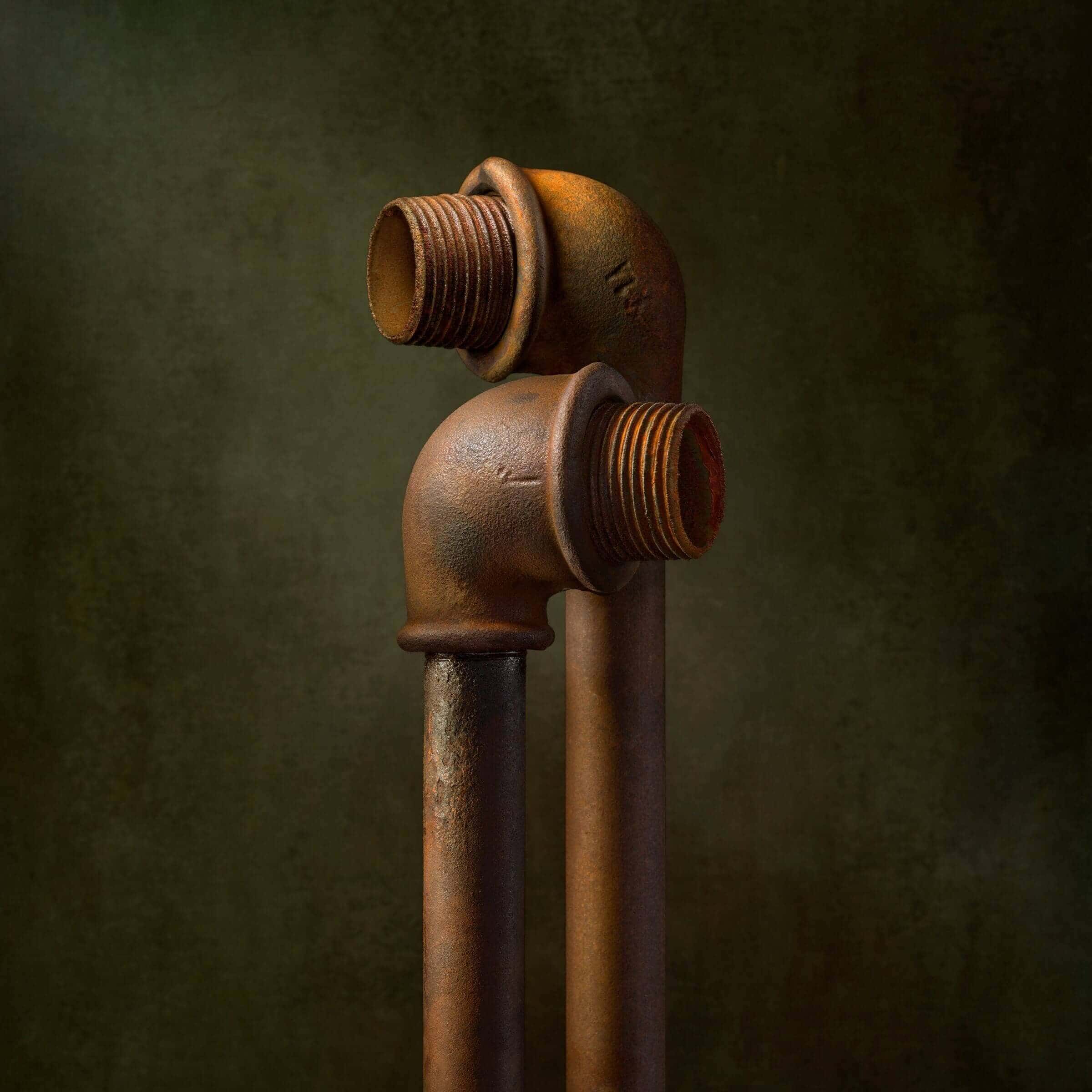
Together, Coigny and Remer expand the language of still life from the tactile to the conceptual, from tradition to innovation.
The Contemporary Relevance of Still Life
Still Life photography may have its origins in the Golden Age of painting, but today, it speaks to themes more urgent than ever. In an era of overexposure and image fatigue, it invites us to slow down. To look again. To feel.
Whether it is the formal beauty of Christian Coigny's light and line or the silence inside Daniel Remer's single-object compositions, the still life is not a relic - it is a vessel for reflection. It gives weight to the overlooked and dignity to the quiet.
At Petra Gut Contemporary, Still Life photography is celebrated not only as a technique but also as a philosophy. In the work of these two artists, we find not only beauty but presence. Not only structure but stillness.
FAQs
1. What are teh Origins of Still Life?
The term "Still Life" comes from the Dutch "stilleven," popularised in the 17th century. Painters such as Pieter Claesz, Jan Davidsz. de Heem, and Willem Claesz Heda created meticulous compositions filled with fruit, goblets, books, and flowers — objects laden with symbolism about mortality, material wealth, and the fleeting nature of time. The genre's French and Italian names — nature morte and natura morta — emphasise this sense of impermanence: dead nature captured for reflection.
When photography emerged as a new medium in the 19th century, Still Life was one of its earliest and most natural subjects. Figures like Roger Fenton and Adolphe Braun began translating the painterly aesthetics of composition and symbolism into the new language of light-sensitive plates, paving the way for the modern still life photograph.
2. What where the relevant 20th-Century developments?
During the 20th century, Still Life was further refined and reimagined. Artists such as Edward Weston, Josef Sudek, and Irving Penn elevated it to an artistic discipline of abstraction and reduction. Weston's peppers, Sudek's dusty bottles, Penn's textiles — each became meditations on form, shadow, and materiality rather than records of objects. The still life shed its decorative origins and became a space for philosophical inquiry. It was no longer about what was depicted but about how light, surface, and silence could carry meaning. From this legacy emerges the Still Life photography of today.
3. What are the defining Features of Still Life Photography?
Intentional composition, symbolic meaning, and formal control over light.
Two approaches: “found” vs “created” still lifes — a concept widely used in photographic theory (see The Photograph as Contemporary Art, Charlotte Cotton, 2014).
Symbolic tension between permanence and decay, presence and absence - rooted in vanitas traditions.
4. What make Christian Coigny so important for Still Life?
Born in Lausanne in 1946, Christian Coigny brings a sculptural and poetic approach to Still Life photography. After years spent working autodidactically in San Francisco and a prominent career in fashion and advertising — with major brands such as Hermès, Krug, Levi's, and Chopard — Coigny shifted his focus to fine art. His photographs are defined by order and calm: a folded linen, a glass, a chair bathed in gentle light. The compositions are spare but never empty.
Coigny is a master of restraint. Working exclusively with film and printing in the darkroom without digital intervention, he emphasises the tactile: the grain of paper, the contrast of light and dark, the slow discipline of analogue process. Shaped by the American painters he discovered in San Francisco — Edward Hopper, Georgia O'Keeffe, Andrew Wyeth — his work carries their stillness and their attention to ordinary light. His Still Lifes breathe quietly and hold their own space.
At Petra Gut Contemporary, Coigny's work is positioned not as nostalgic but as essential — offering structure and stillness in a world that is increasingly fast and fragmented. His photographs become meditative spaces.
5. Who is Daniel Remer?
5. Who is Daniel Remer?
In contrast to Coigny's classicism, Daniel Remer explores minimalism and reduction. A London-born photographer now based in Israel, Remer trained at the London Film School before building a career as a filmmaker. It was during the stillness of the COVID-19 pandemic that he returned to still photography — and a pivotal encounter with the light-painting work of Harold Ross proved transformative. He studied the technique directly under Ross and found in it a means of expression that had previously eluded him.
Working in a blacked-out room with a small flashlight and exposures of around fifteen seconds, Remer paints illumination onto his subjects — layer by layer, movement by movement — building colour and depth that no natural light could produce. His touchstone is Giorgio de Chirico and the Metaphysical School: art that treats objects not as things but as carriers of hidden significance. Each element is chosen and positioned with precise symbolic intent. The compositions are reduced to what is essential, and what remains carries weight.
His Still Lifes are not decorative. At Petra Gut Contemporary, Remer's work is presented as a form of visual philosophy — still lifes that ask not what an object is, but what it means.
6. What is the comparative context between Coigny and Remer
Together, Coigny and Remer represent two poles of photographic still life — the analogue and the digital, the found light and the constructed, the classical and the conceptual. Both are artists of the created Still Life: their compositions are entirely deliberate, built from scratch, with every element under the artist's control. Yet they differ profoundly in intent and tone.
Coigny seeks order and balance, echoing the still lifes of 17th-century Dutch painting. His restraint is a philosophy — what you see is exactly what he saw. Remer reduces, distils, and charges objects with metaphysical weight, asking the viewer to look beyond the surface. Where Coigny's work offers structure and stillness, Remer opens an entirely different door.
What they share is rarer than what separates them: an absolute commitment to the image, and a belief that a carefully arranged set of objects can hold the weight of human experience. Together, they expand the language of still life from the tactile to the conceptual, from tradition to innovation.
1. What does still life mean in today's life?
Still Life photography may have its origins in the Golden Age of painting, but today it speaks to themes more urgent than ever. In an era of overexposure and image fatigue, it invites us to slow down. To look again. To feel.
Whether it is the formal beauty of Christian Coigny's light and line or the charged silence inside Daniel Remer's single-object compositions, the still life is not a relic — it is a vessel for reflection. It gives weight to the overlooked and dignity to the quiet.
At Petra Gut Contemporary, Still Life photography is celebrated not only as a technique but as a philosophy. In the work of these two artists, we find not only beauty but presence. Not only structure but stillness.